

2:00 - 4:30
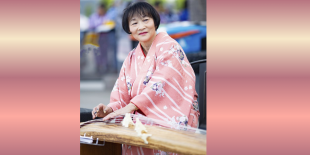
Learn about the Japanese incarceration performing arts during WWII by watching the film Hidden Legacy, followed by some koto music performance by the creator of the film, Shirley Kazuyo Muramoto.
About the Film:
The Hidden Legacy project researched and collected stories from former incarcerated artists and Sansei and Yonsei students who learned from some of these teachers. The questions were: how and why did traditional Japanese arts in the camps continue, how they used creativity to practice them, and how they fashioned equipment, kimonos, instruments and so on to be able to practice them. These arts played a critical role in the lives of those incarcerated to continue to survive and help them be resilient. After the war as many felt these traditional arts would make them appear “un-American”, many shunned these arts. Now, we are learning that traditional cultural arts and music aid in survival and continue to do so today as we learn how the arts help us to understand ourselves.
NR, 56 mins., 2014. Closed captions (CC) are unavailable.
About the Filmmaker and the Koto Performer:
Shirley Kazuyo Muramoto’s roots in koto music grew from the dusty desert American concentration camps during WWII. Her mother, Barbara Hori (aka Kazuko Muramoto), was incarcerated at 9 years old with her family, yet still learned to play the ancient instrument from fellow internees at Topaz and Tule Lake prison camps. In these desolate prisons, Barbara learned to play the koto by rote, with finger picks made of cow bones and tuning bridges carved by her grandfather from scraps of wood and toothbrush handles. It became the music of survival.
From these humble beginnings, the music of the koto came into Shirley’s family. Later, her mother started teaching the koto in their home in Oakland, CA. From a young age, the music of Japanese koto filled the air, and Shirley naturally heard and learned the music growing up. She also learned the violin and guitar and was in the school choir in Oakland public schools.
Connect: